Loading...
Serving Cleveland, TN and surrounding areas. (423) 250-7212
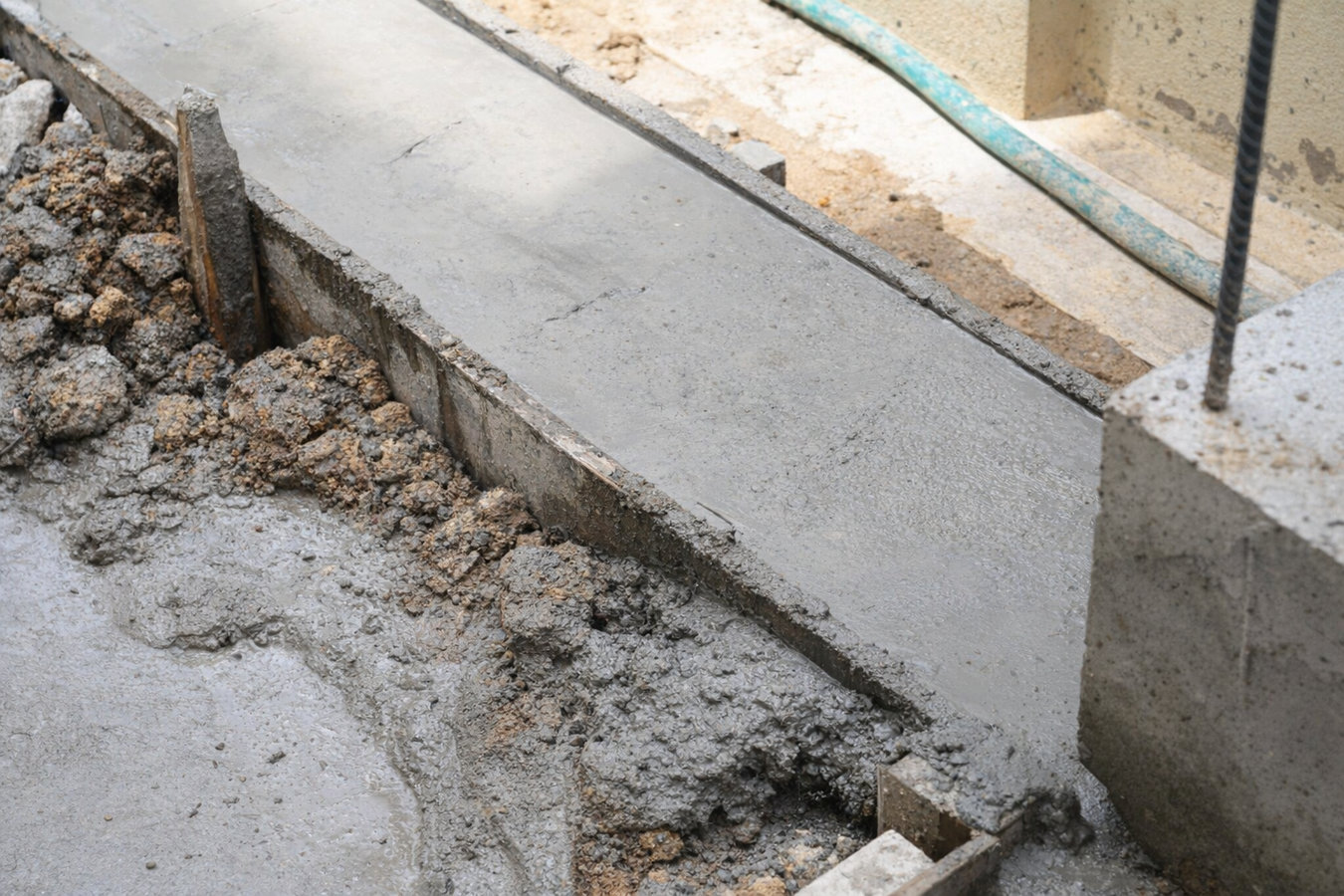
A sunken slab does not have to mean a full replacement. We lift and re-level concrete foundations across Cleveland so your surface is safe, level, and protected before the next heavy rain.
Foundation raising in Cleveland lifts sunken concrete slabs back to their original position by pumping material into the void underneath - most residential jobs take two to eight hours and you can walk on the surface the same day.
Cleveland sits on clay-heavy soil that swells when wet and shrinks when dry, and that constant movement is one of the main reasons slabs settle in this area. Whether your garage floor has dipped, your front walk has dropped, or your driveway has a noticeable slope, foundation raising can restore level without the cost or disruption of a full replacement. If your slab also shows surface damage, our concrete cutting service can remove and patch the affected sections as part of a combined repair.
Before recommending a lifting approach, we assess the concrete condition and the likely cause of settlement - because a lift that does not address the underlying drainage or soil problem will not hold for long.
If a door that used to swing freely now drags on the floor, or a window feels suddenly stiff, the frame around it may have shifted because the slab beneath has moved. In Cleveland's clay-heavy soil, this kind of movement often shows up after a very wet spring or a dry summer stretch. Waiting usually makes the gap worse.
Walk around the outside of your home and check where the concrete meets the house, garage wall, or front steps. A gap that was not there before - even a small one - means the slab has dropped away from its original position. This is especially common in Cleveland homes built before 1990, where original soil preparation was less rigorous.
If you notice a slope or dip when you walk across your garage floor, patio, or driveway, the concrete has likely settled unevenly. Water pooling in a low spot after rain is both a symptom and a cause - standing water near the slab accelerates the soil erosion that led to the settlement.
Small surface cracks are common and not always serious. But cracks that run diagonally, are wider than a quarter-inch, or have one side higher than the other are worth having looked at. In Cleveland, where wet winters and dry summers put repeated stress on the soil, these cracks tend to grow if the underlying settlement is not addressed.
We offer two lifting methods: traditional mudjacking, which pumps a cement-and-soil mixture beneath the slab to fill voids and push the concrete back up, and polyurethane foam injection, which uses a lightweight expanding foam that hardens quickly and leaves smaller access holes. The right method depends on your slab type, the size of the void underneath, and your budget - we will recommend the approach that makes the most sense for your situation after the on-site assessment. Both methods work best when the concrete itself is still structurally sound, so we evaluate that first.
For slabs where the surface has cracked or broken alongside the settlement, we can combine foundation raising with targeted concrete cutting to remove and replace the damaged sections cleanly. If a new slab is needed rather than a lift, our slab foundation building service covers full replacement from ground up.
Best suited for homeowners looking for a cost-effective lift on larger residential slabs where curing time is not a concern.
Best suited for homeowners who need faster cure times, smaller access holes, or a lighter material beneath a slab with weight sensitivity.
Best suited for properties where poor drainage or soil erosion caused the settlement, and where a lift alone may not hold long-term without addressing the water issue.
Best suited for structural foundation work that requires City of Cleveland permits - we handle the filing and scheduling so you do not need to deal with the building department yourself.
Cleveland sits in the Ridge and Valley region of East Tennessee on clay-heavy soil that moves with every wet and dry cycle. The city receives roughly 54 inches of rain per year, and intense summer storms can saturate the ground quickly. That combination - clay soil and heavy seasonal rain - is why foundation settlement is so common here. Homes built in the 1960s through 1980s in established neighborhoods were often constructed on soil that was not compacted to modern standards, which means older properties near downtown and along corridors like Mouse Creek Road see settling more frequently than newer builds.
We work across all of Cleveland and the surrounding area, including homeowners in Athens, TN and Chattanooga, TN. Both areas share similar soil and climate conditions, so the same seasonal patterns that cause settlement in Bradley County show up throughout the region. If you are not sure whether your slab needs lifting or full replacement, a site visit will give you a clear answer.
When you call, we ask a few basic questions - where the problem is, how long you have noticed it, and whether you can see any obvious cracks or gaps. We reply to new inquiries within one business day and schedule an on-site visit from there.
We walk the area with you, check how much the slab has dropped, assess the concrete condition, and look at drainage patterns nearby. You receive a written estimate before any work is agreed to - covering the lift method, permits if required, and what the completed job includes.
If the project requires a City of Cleveland building permit, we file on your behalf and coordinate any required inspections before the crew arrives. Permit timelines for residential foundation work are generally short - we keep you updated on where things stand.
The crew drills small access holes, pumps the lifting material until the slab reaches level, then patches the holes and cleans up the area. You can walk on the surface the same day - for driveways, allow 24 to 48 hours before parking vehicles on the raised section.
We give written quotes before any work starts. No pressure, no surprises.
(423) 250-7212Clay-heavy soil is the leading cause of foundation settlement in this part of East Tennessee. We assess whether lifting alone will hold or whether drainage work alongside the lift is what your property needs to stay level through the next wet season.
Structural foundation work in Cleveland requires a building permit, and unpermitted work can create problems when you sell your home or file an insurance claim. We handle the City of Cleveland permit process on your behalf so the job is documented and legally covered. The American Concrete Institute publishes standards we follow for concrete lifting work.
If your slab is crumbling or broken into pieces, lifting may not hold and we will tell you so rather than doing work that will not last. If it can be raised, we explain exactly how and what the results should look like so you know what you are getting before the crew arrives.
Every quote covers the full scope of work - method, access holes, patching, and any permit fees - so the number you agree to is the number on the final invoice. If something unexpected changes the scope, we tell you before touching the slab.
Foundation work is one of the jobs where cutting corners has real consequences - for the structure of your home and for your ability to sell it later. We take both seriously on every job.
Remove cracked or damaged sections of an existing slab cleanly before a patch or repair - often paired with foundation raising when the surface has also deteriorated.
Learn MoreWhen a slab is too far gone to raise, we form and pour a new concrete foundation from the ground up on properly compacted base material.
Learn MoreCall us today or submit a request and we will get back to you within one business day with a written quote.