Loading...
Serving Cleveland, TN and surrounding areas. (423) 250-7212
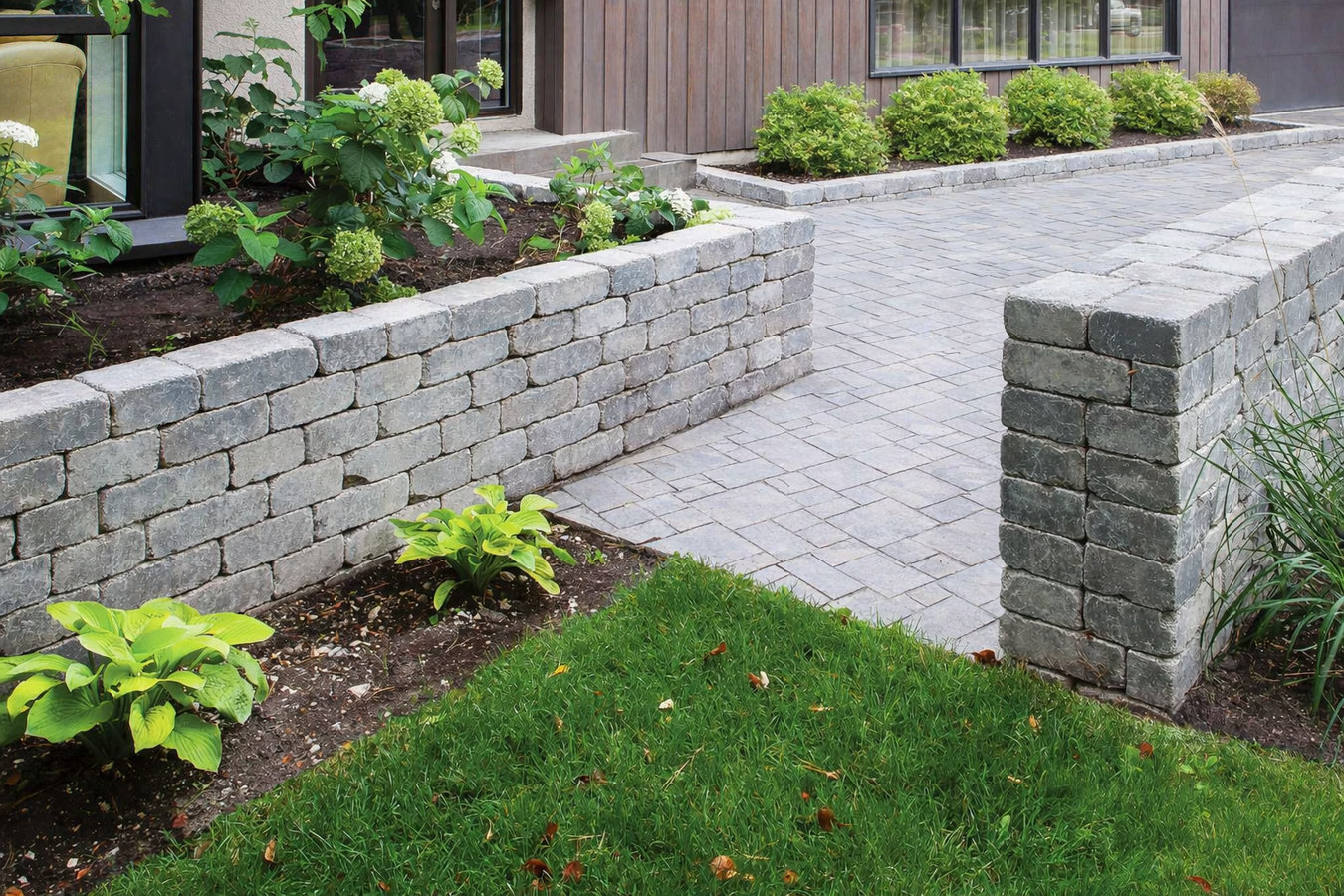
Slopes washing away after every rain? We build concrete retaining walls that hold your hillside in place, protect your foundation, and give you usable yard space back.
Concrete retaining walls in Cleveland, TN hold back soil on sloped lots so it stops washing downhill after rain, most residential projects take two to five days from start to finish depending on the length and height of the wall.
Cleveland sits in the Appalachian foothills, and a lot of residential lots here have real grade changes. If you have a hillside that keeps losing soil, a berm creeping toward your driveway, or a slope that is just too steep to use, a concrete retaining wall solves the problem permanently. Concrete outlasts wood and stacked stone because it does not rot, shift, or need regular sealing.
Many homeowners on sloped lots also need work on the surface around the wall. If you are thinking about adding usable space once the slope is controlled, concrete floor installation is worth considering alongside your wall project.
If you notice dirt, mulch, or gravel collecting at the bottom of a slope after a rainstorm, your hillside is eroding. Cleveland's heavy spring rains and clay-heavy soil make this a common problem on sloped lots. Left alone, erosion can undermine landscaping, damage your driveway, and eventually threaten your foundation.
If a section of your yard is too steep to mow, too unstable for a garden, or just wasted space because of the grade, a retaining wall can turn that slope into a flat, usable terrace. This is especially common in Cleveland's hillside neighborhoods where lots were graded minimally when homes were built.
If a raised bed or hillside is visibly shifting toward your home, garage, or driveway - even slowly - the soil is not stable. You might notice cracks in nearby pavement or soil pushing against your foundation. Getting a wall in place before the movement accelerates is far less costly than fixing the damage after.
If you already have a retaining wall - wood, block, or older concrete - and it is starting to tilt, crack, or show gaps at the base, it is losing its ability to hold back soil. This is a safety issue, not just a cosmetic one. Replacing a failing wall before it collapses is almost always less expensive than dealing with the damage afterward.
We build cast-in-place concrete retaining walls for residential properties throughout Cleveland and Bradley County. Every wall starts with proper excavation and base preparation - the part homeowners never see but that determines whether a wall lasts 10 years or 50. For taller walls, we install steel reinforcement inside the concrete and build drainage into the back of the wall so water pressure never builds up. If you also need level outdoor surfaces once the slope is controlled, concrete steps construction pairs well with a retaining wall project.
Walls over four feet tall require a permit from the City of Cleveland or Bradley County building department, and we handle that paperwork from start to finish. We pull the permit, schedule the inspection, and make sure your wall passes on the first visit. The permit is not just a formality - it is your assurance the wall was built to the standard the county stands behind.
Suits homeowners with eroding hillsides, unstable raised beds, or sloped lots that limit usable yard space.
Suits properties where a slope is directing water or soil movement toward the home's foundation.
Suits larger slopes where a single tall wall is not practical - multiple shorter walls create level usable tiers.
Suits properties where a hillside borders a driveway or parking pad and soil movement is a recurring problem.
Cleveland sits in the foothills of the Appalachians, and the terrain here is genuinely hilly. Many lots - especially in older in-town neighborhoods and newer subdivisions on the edge of Bradley County - have grade changes that make a retaining wall a practical necessity, not a luxury. The area's red clay soil makes things harder because clay holds water after rain, expands when wet, and contracts when dry. That cycle puts steady pressure on any structure holding back a hillside, which is why drainage inside and behind the wall is not optional here.
Cleveland also averages around 54 inches of rain per year, with the heaviest amounts in spring. That moisture has to go somewhere, and on sloped lots it often means soil movement and pressure buildup. Homeowners in Cleveland and surrounding areas like Athens deal with these same hillside and drainage challenges regularly. A concrete wall built with proper drainage and reinforcement is the only long-term solution.
Reach out and we will schedule a time to walk your property - usually within one business day. The visit takes 30 to 60 minutes and covers the slope, measurements, and what you are trying to accomplish. No cost, no pressure.
After the visit you get a written estimate that breaks down labor, materials, and any permit fees. For walls over four feet in Cleveland, we handle the permit application through the city or county building department. We explain every line before you sign anything.
On the first work day the crew excavates the base and sets up drainage material behind where the wall will sit. This is the noisiest part of the job. Keep children and pets away from the area. Good drainage preparation here is what separates a wall that lasts from one that fails.
Concrete is poured into forms, steel reinforcement goes in for taller walls, and the surface is finished. After about a week the wall is strong enough for normal activity. If a permit was pulled, the city inspector completes a final walkthrough - we schedule that for you.
Free on-site estimate. Written quote. No obligation to move forward.
(423) 250-7212Drainage behind the wall is not an add-on for us - it is part of every project. Cleveland's clay soil holds water after rain, and without proper drainage that water pushes against the wall from behind until it cracks or leans. We design the drainage before we pour a single yard of concrete.
Walls over four feet tall require a permit in Cleveland, and we pull every required permit ourselves. The permit means a city inspector reviews the finished wall - which is on record as code-compliant. That record protects your home's value if you ever sell. For more on permit requirements, see the Tennessee Department of Commerce and Insurance.
We work on sloped lots across Cleveland's Appalachian foothills terrain regularly. We understand how local clay soil behaves through wet winters and dry summers, and we prepare bases and drainage accordingly. That local knowledge is what keeps walls performing through every season.
We come to your property, walk the slope, and give you a written estimate that covers everything - labor, materials, permit fees. No vague ballpark over the phone, no surprise charges once work starts. You know exactly what you are getting before any contract is signed.
Every retaining wall we build is designed for how Cleveland's terrain and climate actually behave - clay soils, heavy spring rain, and hillside lots that need real drainage, not just a concrete pour. Those details are what make the difference between a wall that lasts decades and one that fails in a few years.
Replace or install an interior concrete floor with proper base prep and moisture protection.
Learn MoreAdd safe, durable steps to complement a new retaining wall or level terrace.
Learn MoreSpring is the busiest season for concrete work in Cleveland. Call or send a message now to secure your spot on the schedule before the calendar fills.